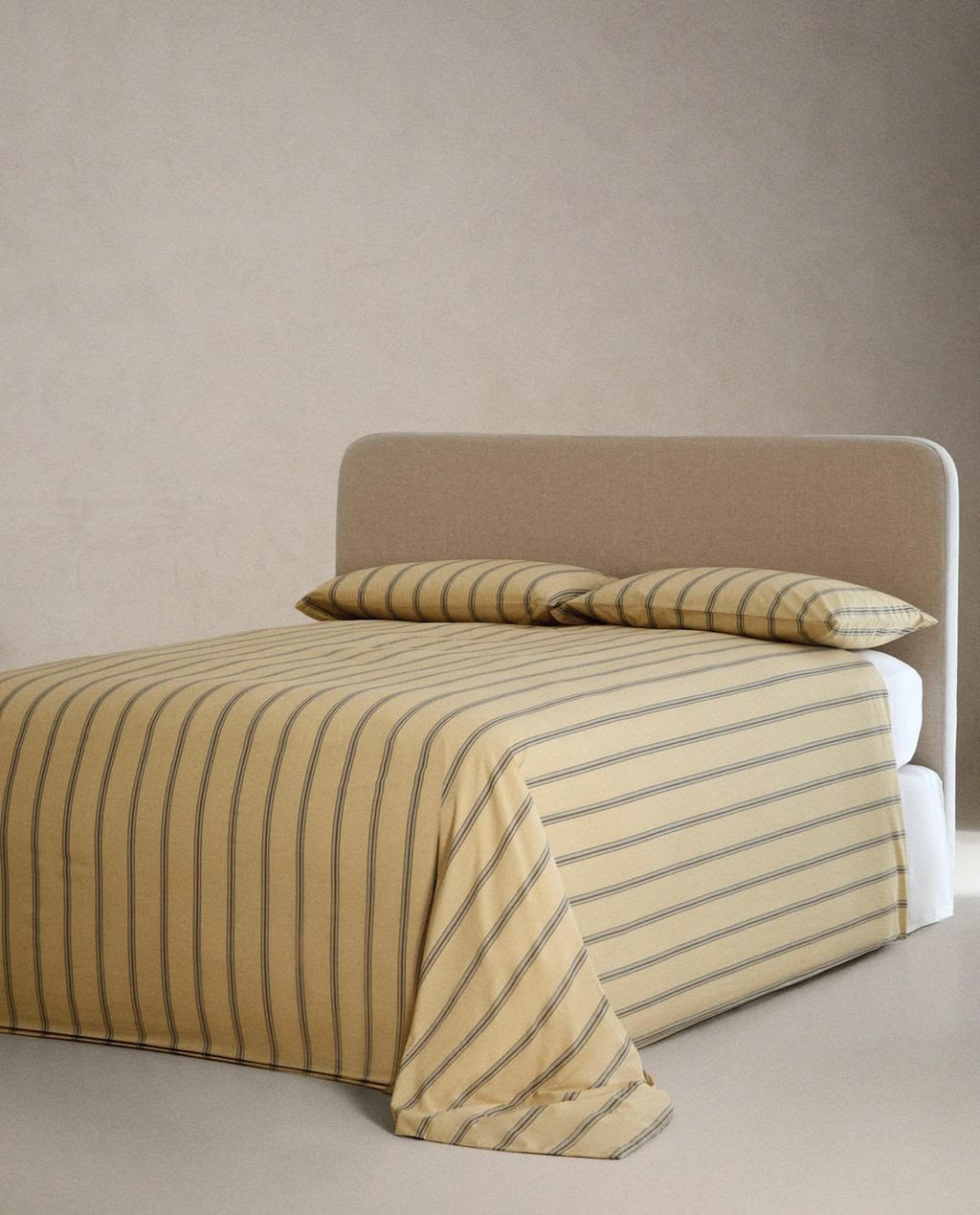
If you run a hotel — or manage procurement for one — you've probably been through the same cycle. You order bed sheets in bulk from a power loom supplier, the first few batches look fine, and then after 40 or 50 washes, the fabric starts thinning out. The colour fades. Guests don't complain directly, but your reviews start mentioning "the bedding could be better." Sound familiar?
We've been hearing this exact story from hoteliers for years now. And over the last 18 months or so, something interesting has started happening — hotels that used to order strictly power loom are now asking us for handloom alternatives. Not all of them, and not overnight. But the shift is real, and it's picking up speed.
What's actually driving the change
Let's get the obvious one out of the way first: yes, sustainability matters. Hotels are under more pressure than ever to show they're making responsible choices. Handloom production uses no electricity for the weaving itself, generates almost zero waste, and supports rural livelihoods directly. That's a genuine selling point when you're trying to get a green certification or build an eco-friendly brand image.
But honestly? That's not the main reason hotels are switching. The real reason is much more practical.
Handloom lasts longer. Period.
A well-made handloom bed sheet, woven from good quality cotton yarn, can handle 100+ commercial washes without losing its integrity. Power loom sheets, even decent ones, start deteriorating around wash 50-60. When you're running a 100-room hotel and replacing sheets every quarter, that difference adds up fast.
One hotel manager in Udaipur told us he ran the numbers after switching half his rooms to our handloom sheets. Over a 12-month period, his replacement costs dropped by nearly 35%. The handloom sheets cost more upfront — about 20-25% more per piece — but the math worked out clearly in their favour over time.
Guests actually notice the difference
This one surprised us a bit, to be honest. We assumed most hotel guests wouldn't care whether their bedding was handloom or power loom. But it turns out that the texture difference is something people pick up on — even if they can't put a name to it.
Handloom fabric has a slight irregularity to it. The weave isn't perfectly uniform the way a machine-made product is, and that actually makes it feel softer and more natural against the skin. It breathes better too, which matters a lot in warmer climates. We've had hotels tell us that after switching to handloom sheets, they started getting comments on booking platforms specifically praising the bedding comfort.
But what about consistency?
This is the question every hotel procurement manager asks, and it's a fair one. Hotels need uniformity. Every room should feel the same. If you're ordering 500 bed sheets, they all need to look identical.
And this is where a lot of handloom suppliers fall short, frankly. Traditional handloom production has always had some variation — it's part of the charm of the craft. But charm doesn't work when a guest in Room 204 has a slightly different shade of white than the guest in Room 207.
This is something we've put a lot of effort into at Naralivin. We work with weaving clusters where the artisans are specifically trained for consistency in commercial production. We quality-check every batch against colour and dimension standards before shipping. It's not something every handloom supplier can do, but for the B2B market, it's non-negotiable.
The types of hotels making the switch
Right now, we're seeing the strongest demand from three segments:
- Boutique and heritage hotels — They want the handloom story as part of their brand. Guests at these properties are paying for an experience, and handwoven textiles fit that narrative perfectly.
- Eco-certified properties — Hotels going for LEED certification or similar programmes actively need sustainable sourcing. Handloom checks that box in a way that power loom simply can't.
- Mid-range hotel chains — This is the newer segment. These hotels are making the switch purely on economics. They've done the cost-per-wash analysis and realised handloom makes financial sense at scale.
What we tell hotels that are considering the switch
Start small. You don't need to replace all your linen overnight. Pick one room category — maybe your premium rooms — and run handloom sheets there for six months. Track the wash cycles, check guest feedback, and compare costs with your power loom inventory. Let the data decide.
That's what most of our hotel clients have done, and almost all of them have expanded their handloom orders within the first year. Not because we pushed them to, but because the results spoke for themselves.
The hospitality textile market in India is changing. Not dramatically, not all at once — but steadily and for good reasons. Hotels that figure this out early are going to have a real advantage, both in cost efficiency and in how their guests experience the property.