Every few months, someone writes an article about how handloom is going to replace power loom. It makes for a nice headline, but it's not quite how the real world works. Both methods have been around for a long time, and both exist because they serve different needs. The question isn't which one is better — it's which one is better for your specific situation.
We're a handloom supplier, so you'd expect us to say handloom is always the answer. But that wouldn't be honest. There are genuine situations where power loom is the more practical choice. And there are situations where handloom gives you something that no machine can replicate. Let's walk through it.
The basics: what's actually different?
At the most fundamental level, the difference is simple. In handloom weaving, a human controls the shuttle that passes the weft thread through the warp. The weaver's hands set the tension, the speed, and the rhythm. In power loom, a machine does all of this — faster, more uniformly, and without needing lunch breaks.
That sounds like a clear win for power loom, and in many ways it is. Machines are efficient. They're consistent. They can run 24 hours a day. But that efficiency comes with trade-offs that matter more than most people think.
Where handloom genuinely wins
Fabric feel and breathability
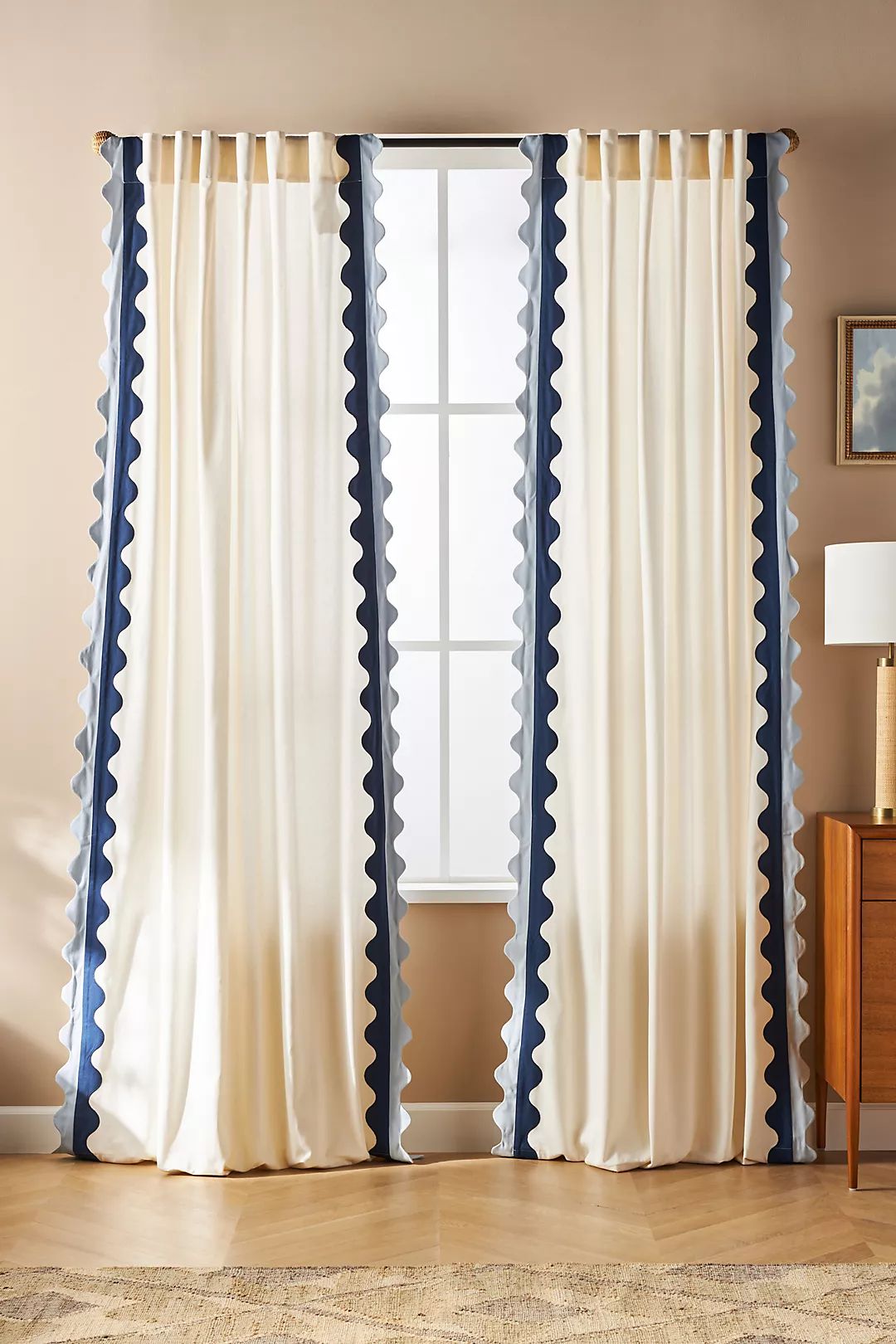
This is the big one, and it's hard to explain until you've felt it yourself. Handloom fabric has a natural softness that comes from the uneven tension in hand-weaving. The tiny irregularities create micro-gaps in the fabric structure that allow more air to pass through. This makes handloom textiles significantly more breathable — which matters a lot for bed sheets, curtains, and anything that touches skin.
We've had customers do blind comparisons — putting a handloom bed sheet on one side of the bed and a power loom sheet (same thread count, same cotton) on the other. Every single time, people preferred the handloom side. They couldn't always explain why, but they used words like "cooler" and "softer."
Durability over time
This one surprises people. You'd think a machine-made product would be more durable since it's more uniformly constructed. But in practice, handloom textiles tend to outlast power loom by a significant margin — particularly in commercial settings where fabrics go through industrial washing.
The reason is that handloom weaving doesn't stress the yarn the way power loom does. Machines pull the yarn at high tension and beat it into place aggressively. Handloom is gentler, which preserves the fibre integrity. After 80+ washes, you can really feel the difference.
Environmental footprint
This is where the numbers are pretty stark. Handloom production uses zero electricity for the weaving process itself. A single power loom machine consumes roughly 1-2 units of electricity per metre of fabric. When you scale that up to an industry producing millions of metres annually, the energy difference is enormous.
Handloom also generates virtually no waste during production. The weaver can adjust in real-time if something goes wrong. A power loom, on the other hand, can produce several metres of defective fabric before someone notices and shuts the machine down.
And then there's the human element. India has around 3.5 million handloom weaver households. When you buy handloom, that money goes directly to artisan families in rural communities. It's not charity — it's a functional supply chain that happens to have enormous social impact.
Where power loom has the edge
Speed and scale
Let's be real: if you need 50,000 identical bed sheets delivered in two weeks, handloom probably isn't your answer. A power loom factory can produce in a day what a handloom weaver produces in a week. For very large orders with tight deadlines, power loom's efficiency is hard to beat.
Price at volume
For basic, unbranded textiles where the buyer's primary concern is cost per unit, power loom is cheaper. No getting around it. If you're running a budget hotel chain and your bed sheets are a pure commodity expense, power loom will save you money in the short term.
(Though as we discussed, the long-term cost picture often favours handloom when you factor in replacement frequency. But that requires a longer planning horizon than many procurement departments work with.)
Exact uniformity
Some applications need pixel-perfect consistency. Clinical healthcare settings, for instance, sometimes have strict specifications that require machine-level uniformity. Handloom has gotten much better at consistency — we work hard on this — but it'll never be machine-identical across every single piece.
A side-by-side look
| Factor | Handloom | Power Loom |
|---|---|---|
| Fabric feel | Softer, more natural | Uniform, can feel stiff |
| Breathability | Excellent | Moderate |
| Wash durability | 100+ industrial washes | 50-70 industrial washes |
| Unit cost | 20-30% higher | Lower |
| Cost over lifetime | Often lower (fewer replacements) | Higher (more frequent replacement) |
| Lead time | 3-6 weeks | 1-2 weeks |
| Minimum order | 200+ pieces typical | Can be lower |
| Energy use (weaving) | Zero electricity | 1-2 kWh per metre |
| Consistency | Very good (with quality control) | Excellent |
| Social impact | Direct support to artisan families | Factory employment |
So which should you choose?
If you're a hotel, a premium retailer, or an exporter selling into markets that value sustainability and quality — handloom is very likely the better choice. The higher upfront cost pays for itself through durability, guest satisfaction, and a brand story that resonates with conscious consumers.
If you're operating on razor-thin margins with enormous volumes and very tight timelines, power loom might make more practical sense — at least for your basic inventory. But even then, consider using handloom for your premium product range. It gives your customers something that feels tangibly different from what everyone else is selling.
The honest truth? Most successful textile businesses we work with use a mix of both. They use power loom for their volume products and handloom for their premium lines. That's a perfectly sensible approach, and we'd rather you make the right decision for your business than push you into something that doesn't fit.
At the end of the day, handloom isn't just a product — it's a way of making things that's been refined over thousands of years. There's a reason it still exists in a world full of machines. For the right buyer, that reason becomes obvious the moment they touch the fabric.